Painting a New Build in Mandurah: Why Proper Sealing and Preparation Matter


An expertly painted home begins long before the final coat of colour is applied.
There is something exciting about seeing a new home take shape. The walls are up, the rooms are defined, and the decisions made during planning are finally becoming something you can walk through.
At this stage, painting is often considered one of the finishing touches. However, the quality of the finished paintwork depends just as much on the preparation beneath it as it does on the colour and finish you choose.
In Mandurah and throughout Western Australia, new homes commonly feature a combination of white set plaster over brickwork and plasterboard, often referred to as Gyprock, for ceilings, bulkheads and some internal walls.
Although these surfaces may look similar once painted, they have different preparation and sealing requirements. Understanding these differences helps ensure your new home receives the right painting system from the beginning, creating a beautiful, consistent finish that will stand the test of time.
Why Does a New Home Need Sealing Before Painting?
Unlike an established home, where existing paintwork may provide a suitable foundation for repainting, a newly built home has surfaces that may never have been painted or sealed. Fresh plaster, plasterboard and jointing compounds can absorb paint differently. Without appropriate preparation and sealing, this can lead to uneven coverage, visible patches or variations in sheen.
These differences are sometimes referred to as flashing, where certain areas appear duller or shinier than the surrounding paintwork, particularly under strong lighting. A suitable sealer or undercoat helps create a more consistent surface for the finishing coats and supports proper adhesion.
The importance of surface preparation extends beyond new construction. Our guide to proper paint preparation explains why assessing and preparing each surface is essential to achieving a lasting finish.
However, not all new walls require the same product. In Western Australia, two of the most common interior finishes are white set plaster and plasterboard, and each needs to be treated appropriately.
White Set Plaster: Common in Western Australian Homes
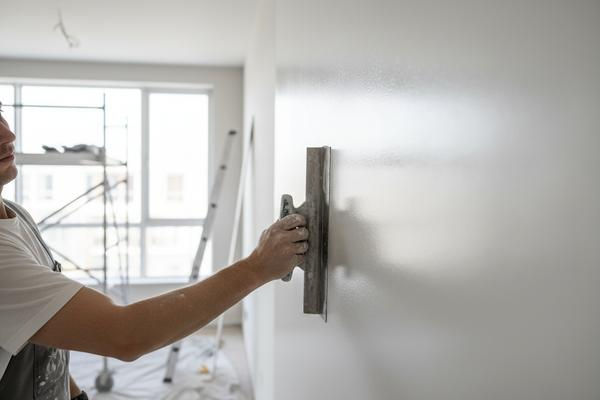
Many homes throughout Mandurah and Perth are built using masonry construction, often with internal brick walls finished in white set plaster. White set is a smooth finishing plaster applied over a prepared rendered surface. It creates the seamless appearance familiar in many Western Australian homes. Although it looks smooth and ready for painting, new white set plaster requires particular care.
Before sealing, the plaster needs to be sufficiently dry, sound and free from excessive dust or loose material. A surface that is soft, powdery or retaining moisture may cause problems with paint adhesion.
White set plaster can also contain lime, making it important to choose a sealer or binder that is specifically suitable for the surface. Using an unsuitable product, or painting before the plaster is ready, can contribute to peeling, poor adhesion and other coating failures.
For this reason, preparation involves more than simply sanding the wall and applying paint. The condition of the plaster needs to be assessed, and an appropriate sealing system selected according to the surface and paint manufacturer's recommendations. A smooth plaster finish is only a good foundation when the surface beneath the paint is sound and properly prepared.
Gyprock and Plasterboard: Why Preparation Is Different

Plasterboard is another common material in new Australian homes, particularly for ceilings, bulkheads and internal partition walls. Gyprock is a well-known Australian brand of plasterboard, although other manufacturers also supply similar products. Unlike white set plaster, standard plasterboard has a paper-faced surface. Jointing compounds are applied over joins, corners and fixing points to create the appearance of a continuous wall or ceiling. Although these areas may look uniform, the paper and jointing compounds have different textures and levels of absorbency.
Without a suitable sealer, those differences can become visible after painting, particularly around joints and repaired areas. Correct preparation generally includes inspecting the surface, addressing minor imperfections where appropriate, sanding as required and removing dust before applying a suitable sealer undercoat.
For new plasterboard, a quality acrylic sealer undercoat is commonly used to help equalise the absorbency of the paper surface and jointing compounds. This provides a more consistent foundation for the finishing coats and helps reduce the appearance of patchiness or differences in sheen.
Particular attention is needed on ceilings and large, uninterrupted walls, where natural light can reveal even subtle variations in the surface. The standard of plasterboard finishing also plays an important role. Paint can enhance a well-prepared surface, but it cannot conceal every imperfection in the plasterboard or its joints. The aim is not simply to cover the plasterboard with paint, but to achieve a uniform finish across the entire surface.
Why the Right Sealer Matters

One of the important distinctions in new-home painting is that a product suitable for plasterboard may not be appropriate for fresh white set plaster. White set plaster generally requires a compatible sealer binder designed to penetrate and seal the surface while helping protect the subsequent paint system from problems associated with alkalinity.
Plasterboard, on the other hand, is commonly prepared using an acrylic sealer undercoat that helps manage the different absorption rates of the paper facing and jointing compounds. The correct product depends on the substrate, its condition and the manufacturer's specifications. Selecting an appropriate sealing system at the beginning helps achieve better adhesion, more even coverage and a consistent appearance once the finishing coats are applied.
Why Preparation Makes Such a Difference to the Final Finish
In a newly built home, it is natural to focus on colour selections. Warm whites, soft neutrals and carefully chosen feature colours all contribute to the atmosphere of a room. Yet the finished appearance is also influenced by the work undertaken before those colours are applied. Walls and ceilings should be inspected for imperfections, dust, uneven surfaces and areas requiring attention. Gaps and junctions may need appropriate filling or sealing, and the surfaces must be suitable for painting.
Once preparation is complete, the correct sealer or undercoat is applied, followed by the specified finishing coats. Lighting also deserves consideration. Large windows, downlights and natural light entering from the side can emphasise uneven textures, visible joints and differences in sheen. These details may be particularly noticeable in open-plan living areas, hallways and rooms with broad expanses of wall. A careful approach to preparation, product selection and application helps minimise these problems and achieve a finish that looks consistent throughout the home.
Colour and sheen also influence how the finished surface looks. If you're considering a neutral interior, our article on choosing the right white paint for your home explores how natural light, flooring and surrounding finishes affect colour.
Is One Coat of Paint Enough After Sealing?
For most standard new interior plasterboard painting systems, one suitable sealer undercoat followed by two full coats of finishing paint is recommended. However, the number and type of coats should always follow the requirements of the selected paint system and the condition of the surface. Understanding what is included in a painting quotation is just as important as comparing the final price. Our guide to the cost of painting a house in Western Australia explains why preparation, surface conditions and the chosen painting system can influence the overall cost.
Applying sufficient finishing coats helps develop the intended colour, coverage, sheen and durability.
Trying to reduce the number of coats may initially appear to save time or money, but it can compromise the overall result. Investing in the appropriate preparation and painting system from the beginning can help avoid unnecessary maintenance and premature repainting.https://www.hearthpainting.com.au/post/post-cost-to-paint-a-house-western-australia?utm_source=chatgpt.com
Painting a New Home in Mandurah and the Peel Region

Every new home is different. Some feature predominantly white set plaster walls with plasterboard ceilings, while others incorporate plasterboard partitions, bulkheads, recessed ceilings and architectural details.
Before painting begins, these surfaces should be identified and assessed so that the appropriate preparation and coating systems can be used.
At Hearth Painting, we understand the importance of getting these foundations right. Whether painting a newly completed family home, a custom build or a renovation, we take care to consider the materials, surface conditions and finishes involved.
A new home represents a considerable investment, and the paintwork should complement the care and thought that have gone into its construction. Beautiful paintwork is not simply about choosing the right colour. It is about ensuring everything beneath that colour has been properly prepared.
Planning the Painting of Your New Home?
Building a new home in Mandurah, Halls Head, Falcon, Secret Harbour, South Yunderup or the surrounding Peel region?
Hearth Painting provides professional interior painting for new homes, with careful attention to surface preparation, sealing and quality finishes.
Whether your build is approaching completion or you're planning ahead, we'd be happy to discuss your painting requirements.
Contact Hearth Painting to arrange a quotation for your new home.