Choosing the Best Paint for Coastal Homes in Western Australia
- Hearth Painting

- Mar 5
- 5 min read
Updated: 4 hours ago
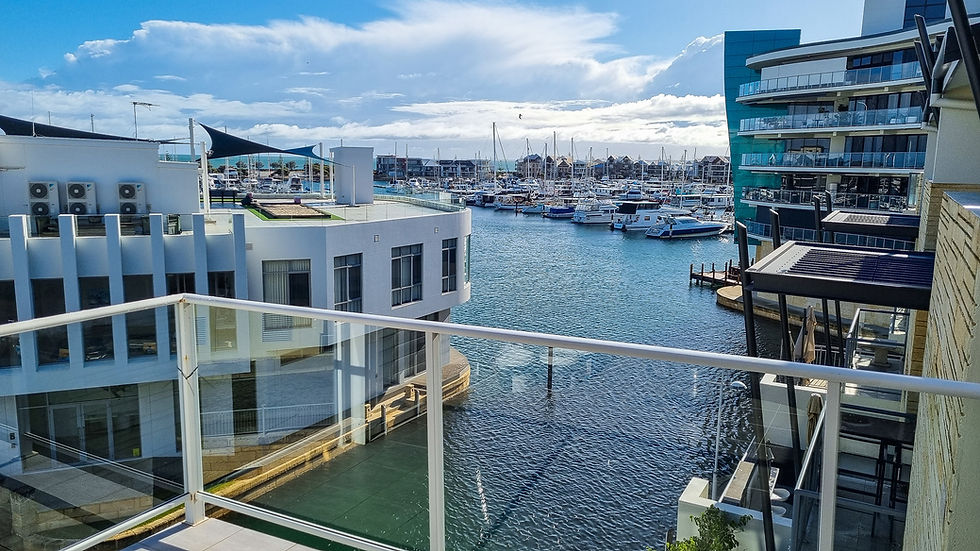
Living near the coast is one of the pleasures of Mandurah, but coastal conditions can be demanding on exterior paintwork. Homes in Halls Head, Falcon, Dawesville and surrounding areas are regularly exposed to strong sunlight, wind, moisture and airborne salt. Over time, this exposure can contribute to fading, chalking and deterioration of exterior coatings.
Choosing exterior paint for a coastal home is not simply about finding the toughest product on the shelf. The surface, its condition, the existing coating and the preparation required all need to be considered. Here is what homeowners should know before planning an exterior repaint.
How Coastal Conditions Affect Exterior Paint
Exterior paint forms a protective coating over the surface beneath it. Constant exposure to sunlight and weather gradually wears that coating down.
On coastal homes, common challenges include:
strong UV exposure
salt carried in coastal air
wind-driven dirt and moisture
mould or mildew in damp areas
movement in building materials as temperatures change
Salt and other contaminants can settle on exterior walls, eaves, doors, trims and metalwork. If these surfaces are not cleaned properly before repainting, the new coating may not adhere as intended.
This is why preparation is particularly important when painting homes close to the coast.
Is There One Best Paint for Every Coastal Home?
No single exterior paint is best for every coastal property.
A rendered wall, timber door, metal gutter and fibre-cement sheet are different materials. Each may require its own preparation, primer and finish coating.
The appropriate paint system depends on:
the material being painted
the condition of the surface
the existing coating
how exposed the area is to sun and weather
whether the surface is affected by salt, moisture, mould or rust
the colour and finish being selected
For most exterior walls, painters commonly use a quality water-based acrylic exterior paint that is suitable for the particular surface. Other materials, especially bare timber and metal, may require a compatible primer before the finish coats are applied.
The manufacturer’s directions and technical information should always be followed.
What About Exterior Paint Brands?
Australian manufacturers offer several established exterior paint ranges, including:
Dulux Weathershield
Haymes Solashield
Wattyl Solagard
Wattyl Duraguard
These products are marketed for Australian exterior conditions, along with several others, but a recognisable brand name alone does not guarantee a durable result. The correct product must still be selected for the surface and applied according to the manufacturer’s directions. Preparation, compatibility and application are just as important as the name printed on the tin.
At Hearth Painting, we consider the home and its surfaces before recommending a product rather than using one paint for every exterior.
Why Preparation Matters
Even a high-quality exterior paint can perform poorly when applied over salt, dirt, chalking or loose existing paint.
Depending on the condition of the home, exterior preparation may include:
washing away salt, dirt and chalky residue
treating mould where required
scraping off loose or flaking paint
sanding damaged edges
filling suitable cracks and holes
replacing failed sealant where appropriate
treating rust on metal surfaces
priming bare or repaired areas
The surface must be suitably clean, sound and dry before the new coating system is applied.
Preparation will not be identical on every home. Previously painted render, bare timber, metal and fibre cement each need to be assessed individually.
Signs Your Exterior Paint May Need Attention
Exterior paint does not need to be falling away in large sheets before it is checked.
Signs of deterioration may include:
fading or uneven colour
a powdery or chalky residue
peeling, bubbling or flaking paint
cracks in the coating
bare or exposed timber
rust appearing through painted metal
failed sealant around joints
recurring mould or mildew
Chalking is the fine powder that sometimes appears as a coating breaks down through exposure. It should be removed appropriately before repainting.
If the underlying surface is exposed, addressing the problem earlier may help prevent further deterioration.
Paint Cannot Repair an Underlying Building Problem
Painting can protect a properly prepared surface, but it should not be used to hide an unresolved defect.
Before repainting, homeowners may need to investigate:
active water leaks
persistent dampness
significant render or plaster movement
rotting timber
ongoing corrosion
failed building joints
drainage problems
If the source of moisture or movement is not corrected, the problem may return through the new paint.
A painter can identify visible areas of concern, but some issues may need to be assessed and repaired by an appropriate building professional before painting begins.
Choosing Exterior Colours for a Coastal Home
Colour affects more than the style of the home.
Very dark exterior colours may become hotter in direct sunlight and can place additional heat stress on some surfaces. Colour restrictions may also apply to certain manufacturer warranties or specific materials.
Before selecting a dark colour, check:
the surface manufacturer’s requirements
the paint manufacturer’s recommendations
how much direct sun the area receives
whether the colour suits the roof, paving and surrounding materials
how it appears in the home’s natural light
Testing the colour on the actual exterior is worthwhile. Colours can look considerably brighter or lighter outdoors than they do on a small sample card.
Maintaining Exterior Paint Near the Coast
Exterior paintwork benefits from regular inspection and sensible maintenance.
Homeowners can periodically check for:
salt and dirt build-up
early chalking or fading
peeling around windows and doors
cracked or failed sealants
mould in shaded areas
exposed timber or metal
damaged gutters or drainage issues
Gentle cleaning, where appropriate for the coating and surface, can help remove built-up contaminants. Avoid harsh chemicals or aggressive pressure cleaning unless the method is suitable for the surface.
There is no single repainting timetable for every coastal home. Exposure, preparation, product selection, colour and maintenance all influence how the coating wears.
Choosing a Painter for Your Coastal Home
When comparing exterior painting quotes, check that each painter has considered:
the surfaces being painted
cleaning and preparation
bare or damaged areas
primers and coating systems
coastal exposure
access requirements
products and finishes
areas included and excluded
The lowest quote may simply include a different amount of preparation or fewer surfaces. A clear written quote makes it easier to understand what work has been allowed for.
Homeowners should also check that the painter holds the appropriate WA registration and suitable insurance.
Exterior Painting in Mandurah and Peel
Hearth Painting provides exterior house painting throughout Mandurah and the Peel region.
We assess each home individually, looking at its surfaces, existing coatings, condition and exposure before recommending an approach. Our focus is careful preparation, suitable materials and clean, lasting results.
If your exterior is fading, chalking or beginning to peel, contact Hearth Painting for an inspection and free written quote.
Sources and further reading
This article was informed by current exterior coating and surface-preparation information from Dulux Australia, Haymes Paint and Wattyl, together with registration guidance from the Government of Western Australia: